About me
Dear reader,
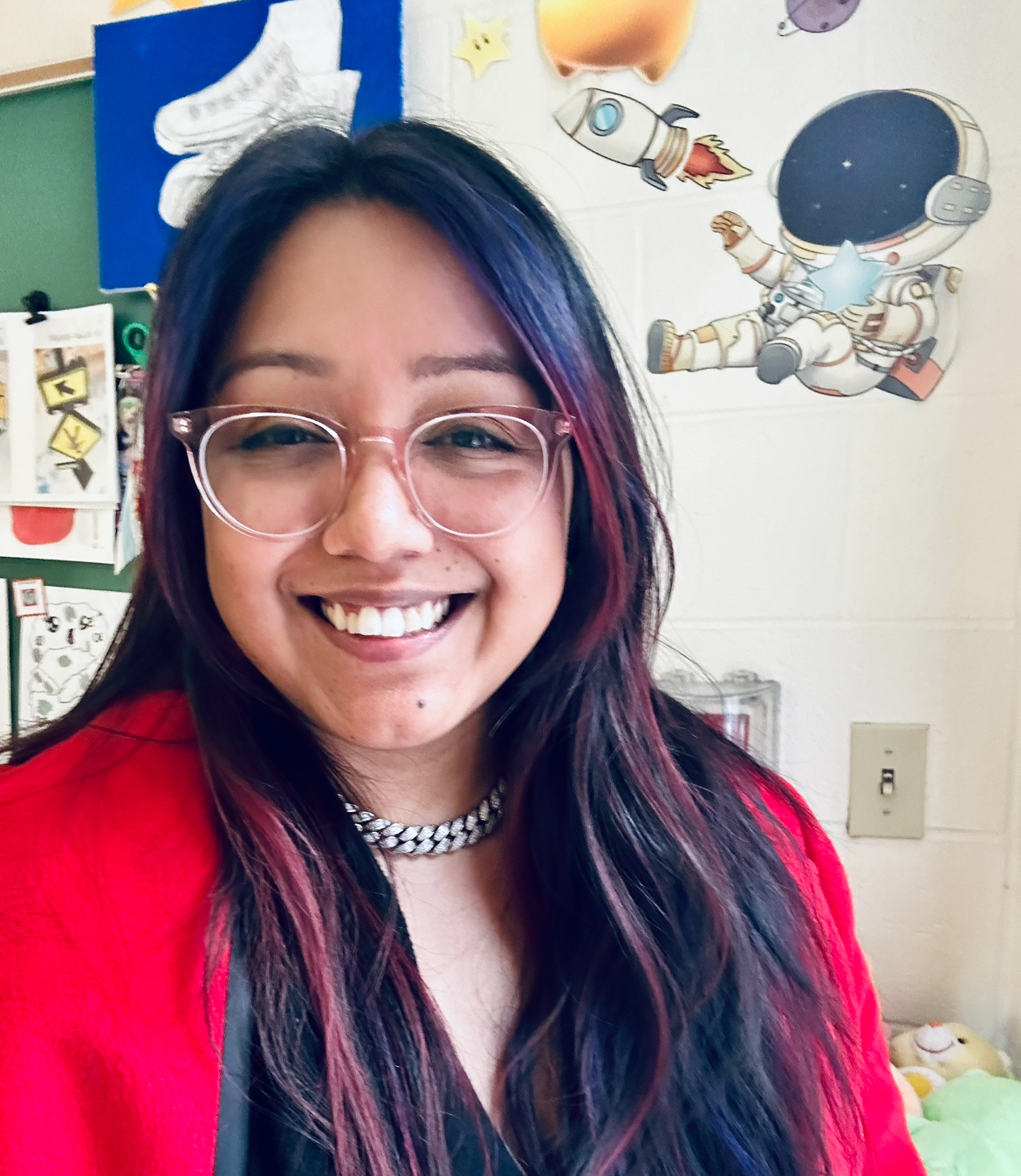
My name is Citlali Arroyo. I am a teacher in Chicago Public Schools; a Boston College Donovan Urban Teacher Scholar (2020); and a Northeastern Illinois University Ronald E. McNair Scholar (2016). This research is part of my ongoing inquiry into developmentally appropriate curriculum and instruction; anti-racist classrooms; and youth and youth culture. Since participating in the Erikson Institute’s Racial Justice in Early Math Fellowship I have had wonderful experiences teaching math, and leveraged my own data to show student growth towards their intervention goals. I am proud to be one of the Chicago RJEM Fellows, and I hope to use my experiences to support the growth of new teachers and students wherever they are. In this project, I draw deep from personal experiences as an English language learner and public school kid from the north side of Chicago. I do this work to bring joy where there may be trauma, hope where there is hunger, and peace when it may be unattainable because I am as much a symbol of resilience to my students as they are to me. Without the teachers, professors, and mentors who laid the groundwork for me to make this a reality it may not have happened for me at all. I am one of the kids who almost fell through the cracks of an education pipeline, but I am still here.
This site was created to showcase how I incorporate culturally relevant pedagogy, the sociology of urban education, and language acquisition in a kindergarten classroom.

Background:
My project inquiry asks: How do kindergarten students in a dual language class connect the social world to math? Why is this important?
- Chicago has received upwards of 36,000 South American asylum seekers during the 2023 school year.
- This cohort would be witnessing displacement, trauma, and assimilation associated with Chicago’s larger social and political dynamics.
- It is important to me that my students feel secure in their identities, abilities, and emotions if they are to navigate a racialized social world.
- I have been teaching my students in the very community I grew up in because I believe in the investment of neighborhood schools.
Picture books became my answer to help students use math when problem-posing why someone can’t afford groceries, new shoes, or a bed. It was also a big factor during civic studies, and especially Black History studies. By the time February came around, my students were more than adequately versed in concepts of equity vs inequity, segregation/separation, and even white-privilege.
Using the framework of “the looking glass-self” (Cooley, 1902), I found myself relating to the experiences of my students, being a first-generation daughter of immigrants. This is the positionality that has afforded me insight into how I build my identity as a math teacher, for students who struggle to see themselves as math students.
I think that we have all come out of this better, and happier, than we were before. My students are going to carry these lessons and experiences because they were rooted in quiet insubordination towards the standardization of tests and curriculum in an urban public school setting.

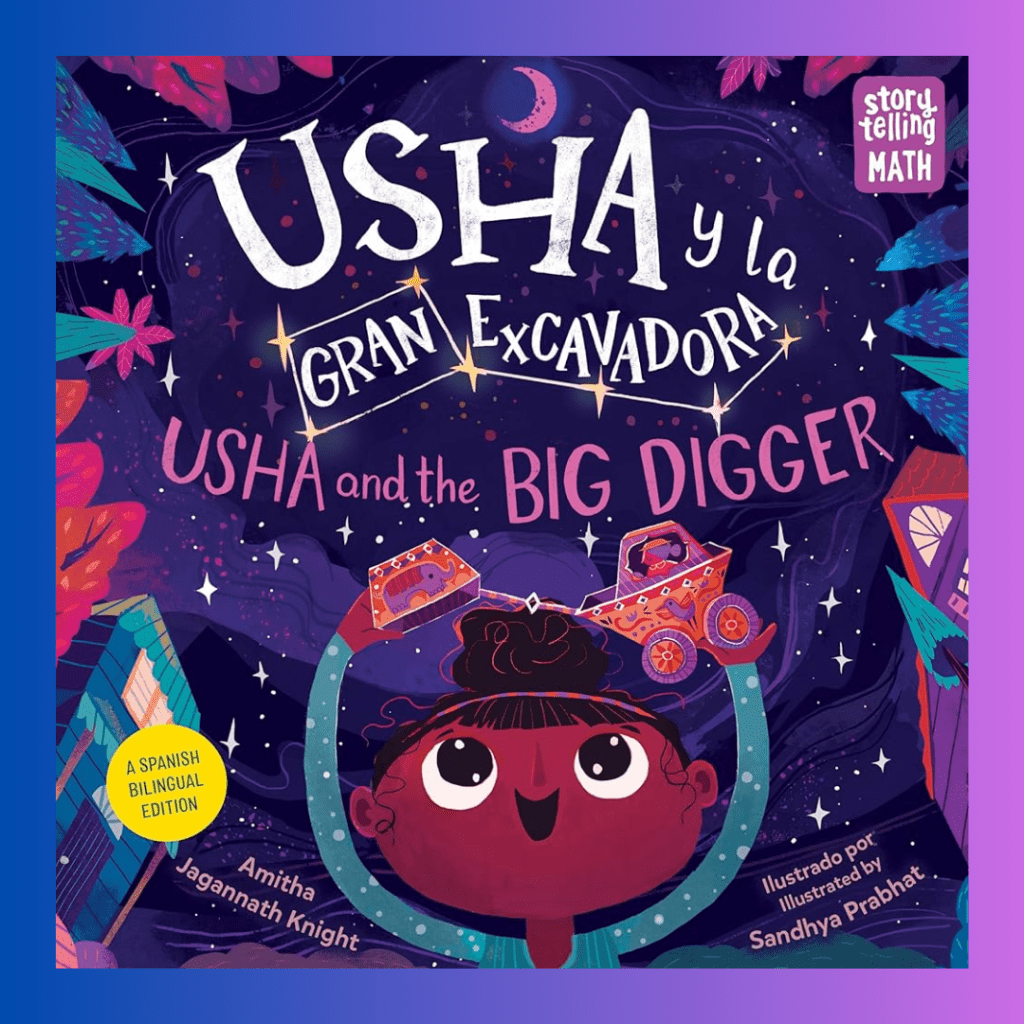
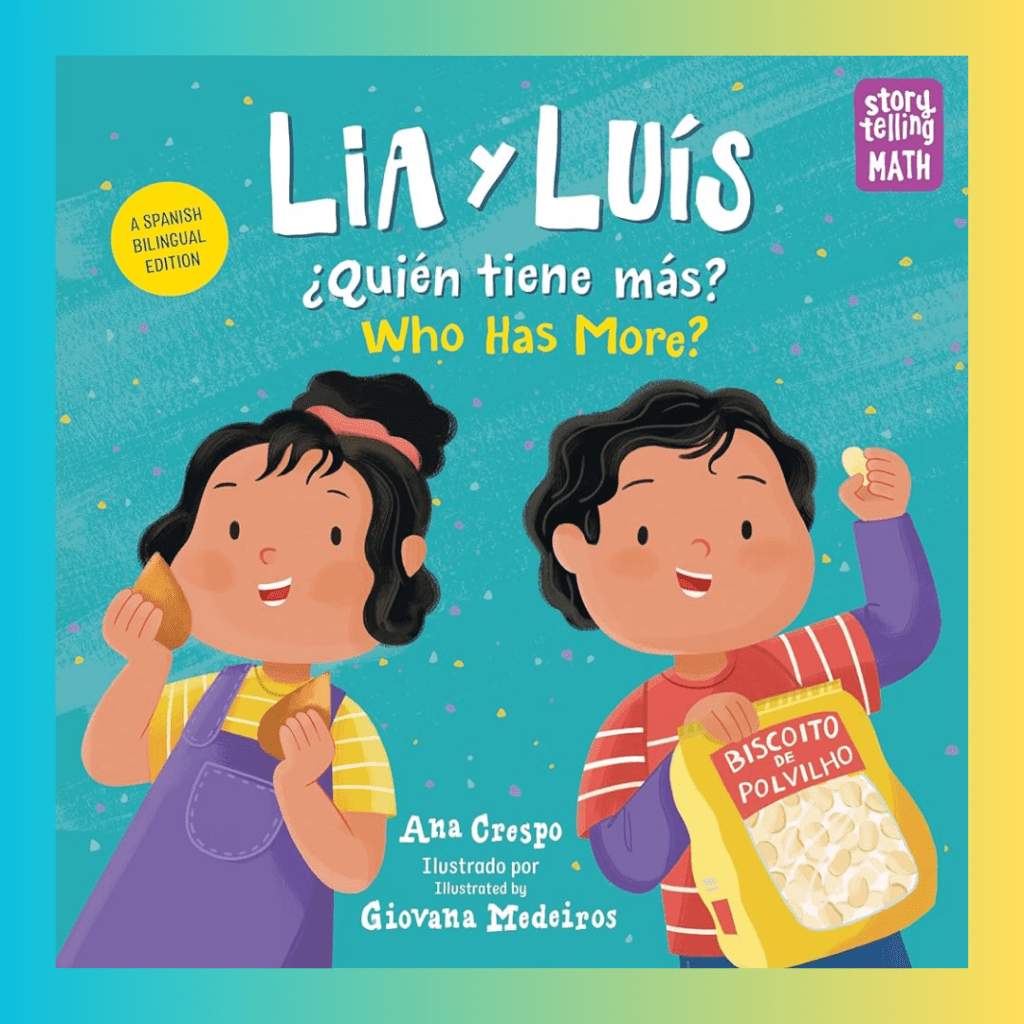
From Charlesbridge Publishing:
“Charlesbridge publishes high-quality books for children, with a goal of creating lifelong readers and lifelong learners. Our books encourage reading and discovery in the classroom, library, and home. We believe that books for children should offer accurate information, promote a positive worldview, and embrace a child’s innate sense of wonder and fun. To this end, we continually strive to seek new voices, new visions, and new directions in children’s literature. In 2010 Charlesbridge acquired Imagine Publishing and expanded our children’s picture book list with books that included CD performances by notable personalities such as Peter Yarrow, Judy Collins, Kenny Loggins, and Neil Sedaka. Imagine Publishing also brought Charlesbridge into the adult trade publishing business with an eclectic list of nonfiction titles and cookbooks, as well as a popular list of puzzle books. Since our founding, Charlesbridge has had offices in Watertown, Massachusetts, which is located on the ancestral and unceded lands of the Massachusett and Pawtucket people. Today there are two federally recognized Native Nations in our state—the Mashpee Wampanoag Tribe and the Wampanoag Tribe of Gay Head (Aquinnah)—and one state-recognized Nation—the Nipmuc Nation. Charlesbridge is dedicated to uplifting voices that have traditionally been left out of children’s publishing. Part of that work is to recognize the full history of our country. We are committed to educating ourselves about Indigenous peoples’ history and present-day realities and to publishing Native authors’ and illustrators’ work.”
By creating community during these read-alouds, students explored text connections to their worlds, peers, and individual experiences. Many students began requesting to participate in the small group sessions, and it was evident our meetings were enriching rather than remedial experiences.
Project design
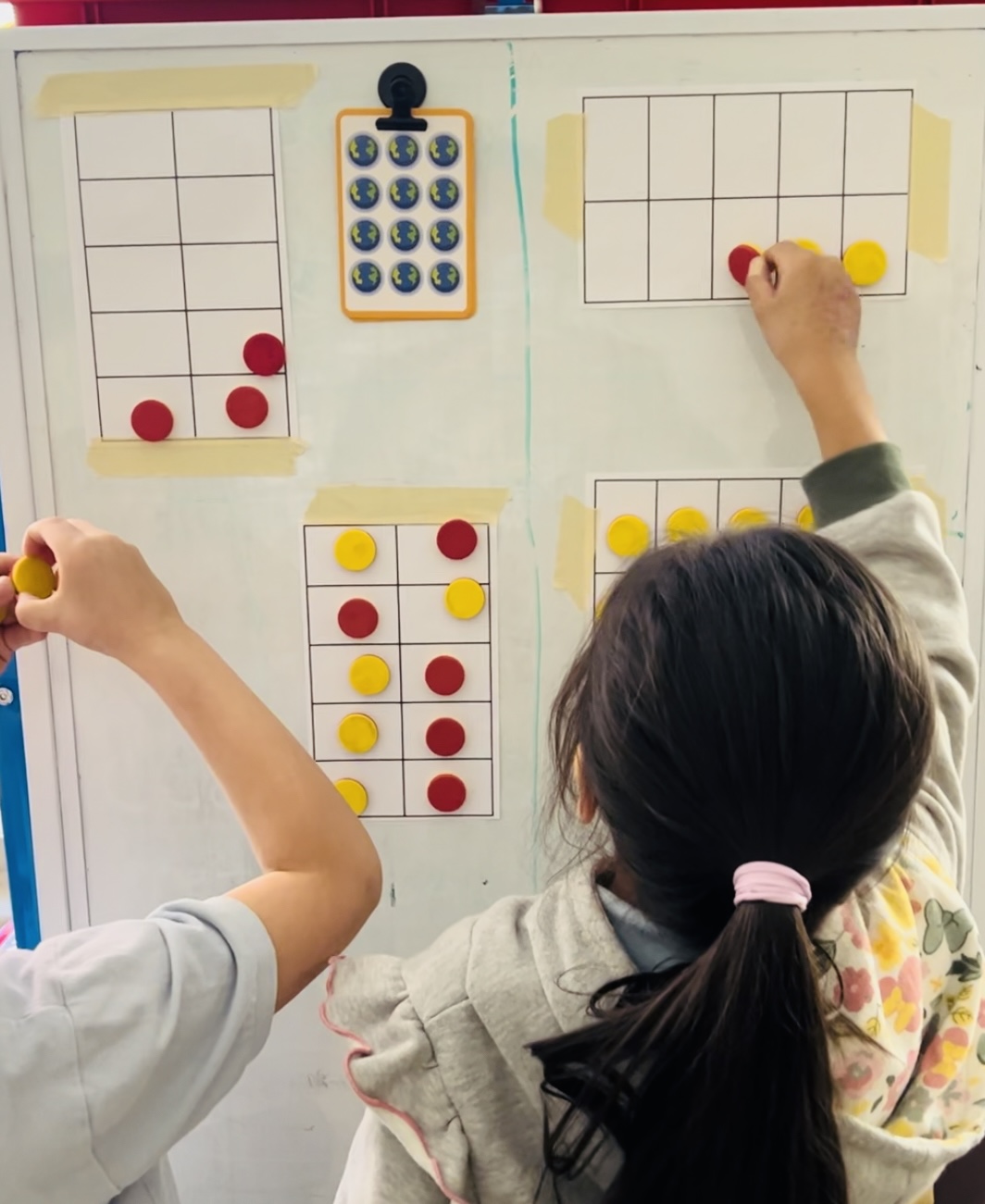
Sample Development or Student Groups Selection: I collected data from the iReady middle of the year (MOY) assessment, GoMath chapter assessments, and HappyNumbers online to decide which students would participate in the small group sessions. The total number of students per group did not surpass 6, which allowed me to both run my small group and carefully observe the other groups in their own centers (classroom total of 23). Table 1 illustrates the intervention.
| Books | Reading hook and math reinforcement | Data collection activity |
| 1. “Los animales no se dormian / The animals would not sleep” by Sara Levine | Sorting / classifying | Sorting and classifying stuffed animals |
| 2. “Usha y la gran excavadora / Usha and the big digger” by Amitha Jagannath Knight | Spatial arrangement of a quantity | Arranging a set of magnets as a constellation |
| 3. “Lia y Luís: ¿Quién tiene más? / Lia & Luis: Who Has More?” by Ana Crespo | Measurement and quantity | Comparing snacks and their containers. |
Initial results:
- Informal assessments via HappyNumbers progress monitoring, BoomCards activities, and parent feedback displayed an overall positive impression of math identities in my class.
- Student confidence, determination, and joy was present in their feedback, and the practice of identifying math in other subjects became second nature.
- Feedback suggests combining story telling and dramatic play lets students explore math and analyze their lived experiences with their own funds of knowledge.
 racial justice in early math